







India Space Ecosystem: Insights from IEEE SPACE 2026
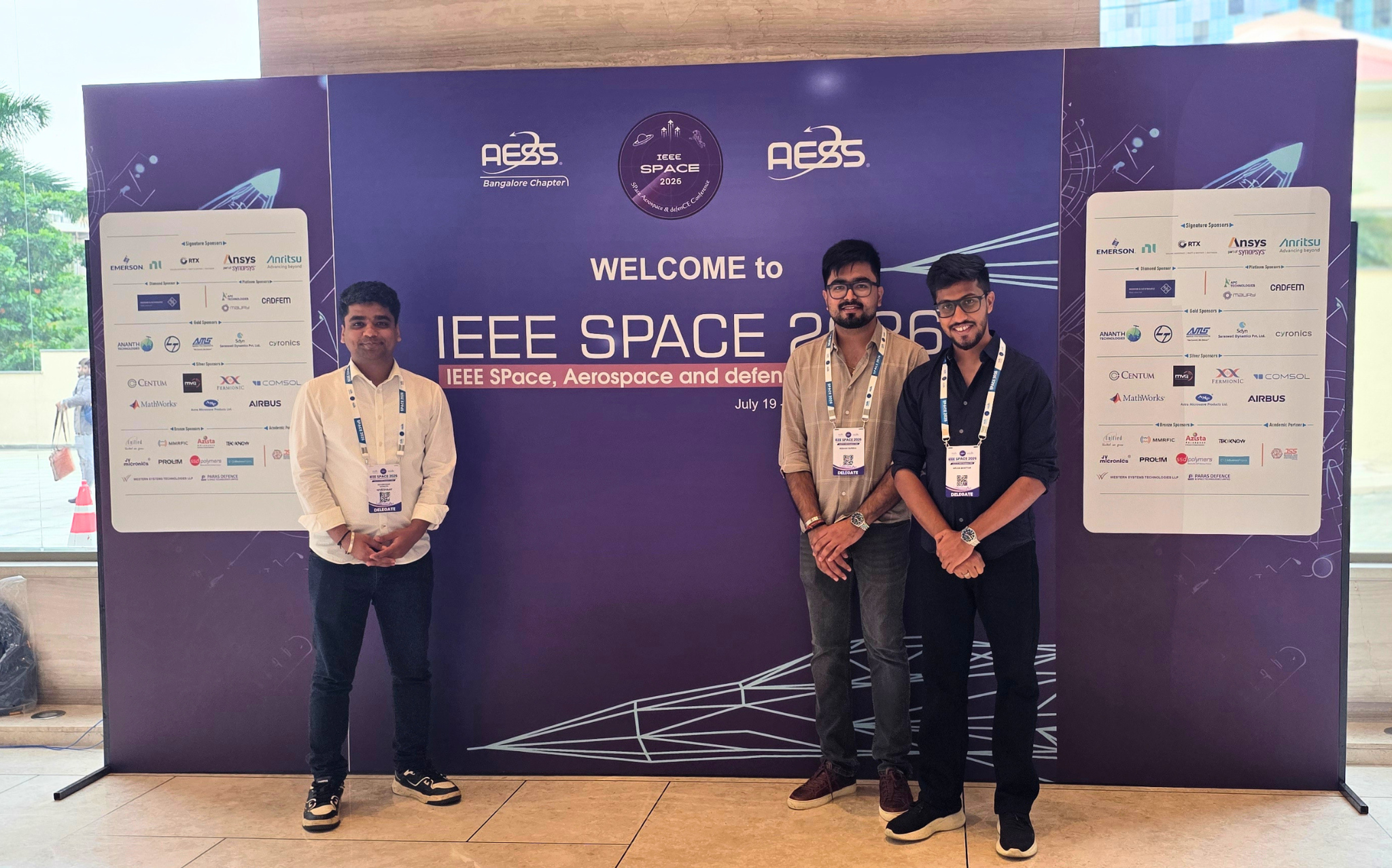
Two days at IEEE SPACE 2026 in Bengaluru offered a ground-level view of India’s evolving space ecosystem—not just through presentations, but through conversations with the people building across the stack. 🛰️
The most compelling takeaway: India’s space opportunity is no longer limited to launch vehicles or satellite assembly. Capability is emerging across payloads, subsystems, testing, communications, navigation, orbital services and space-enabled infrastructure.
→ The event opened with a hands-on workshop on satellite TT&C and payload-related systems, drawing strong participation from students, researchers and startup teams. The depth of technical interest itself reflected a growing builder base.
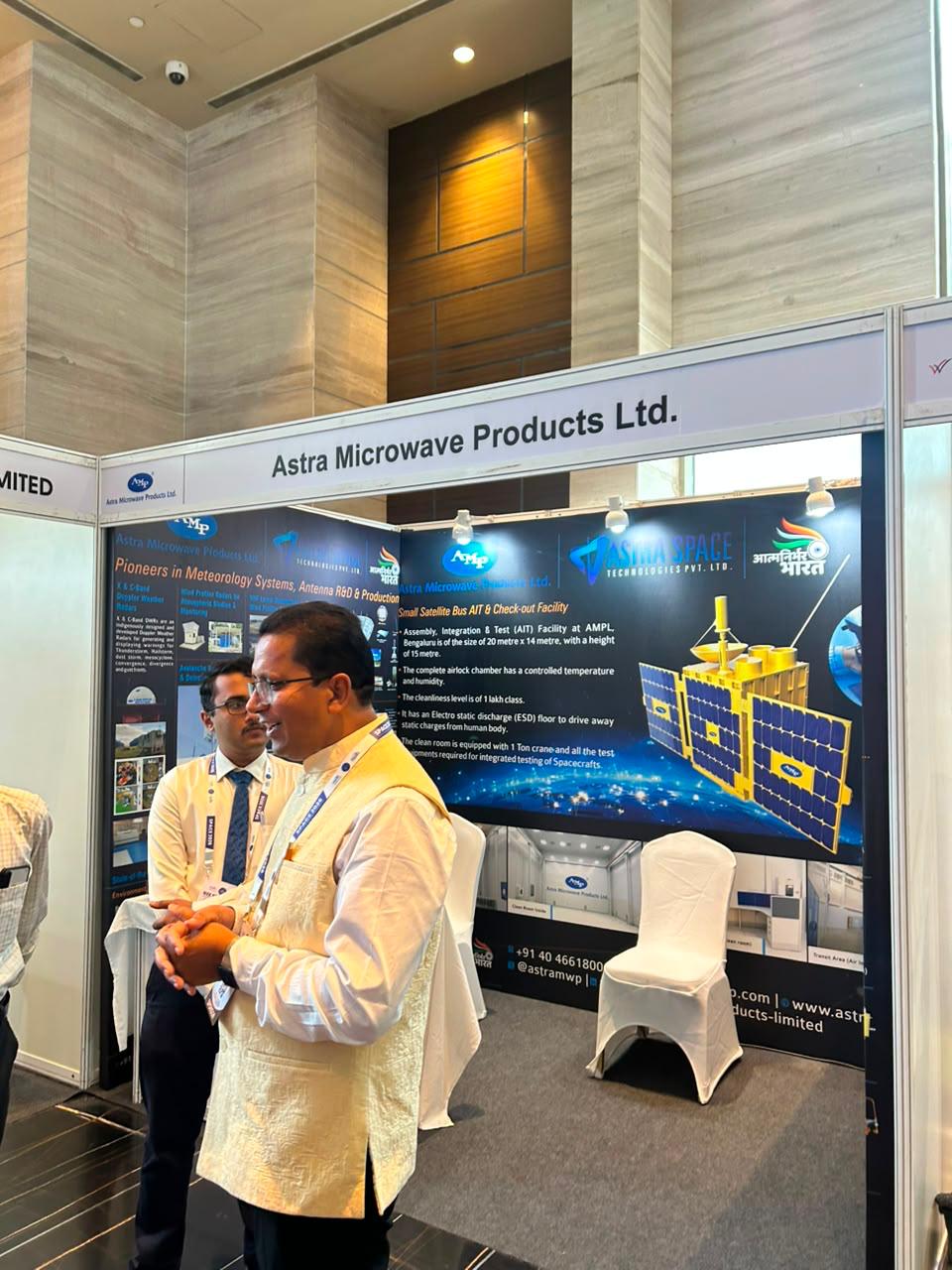
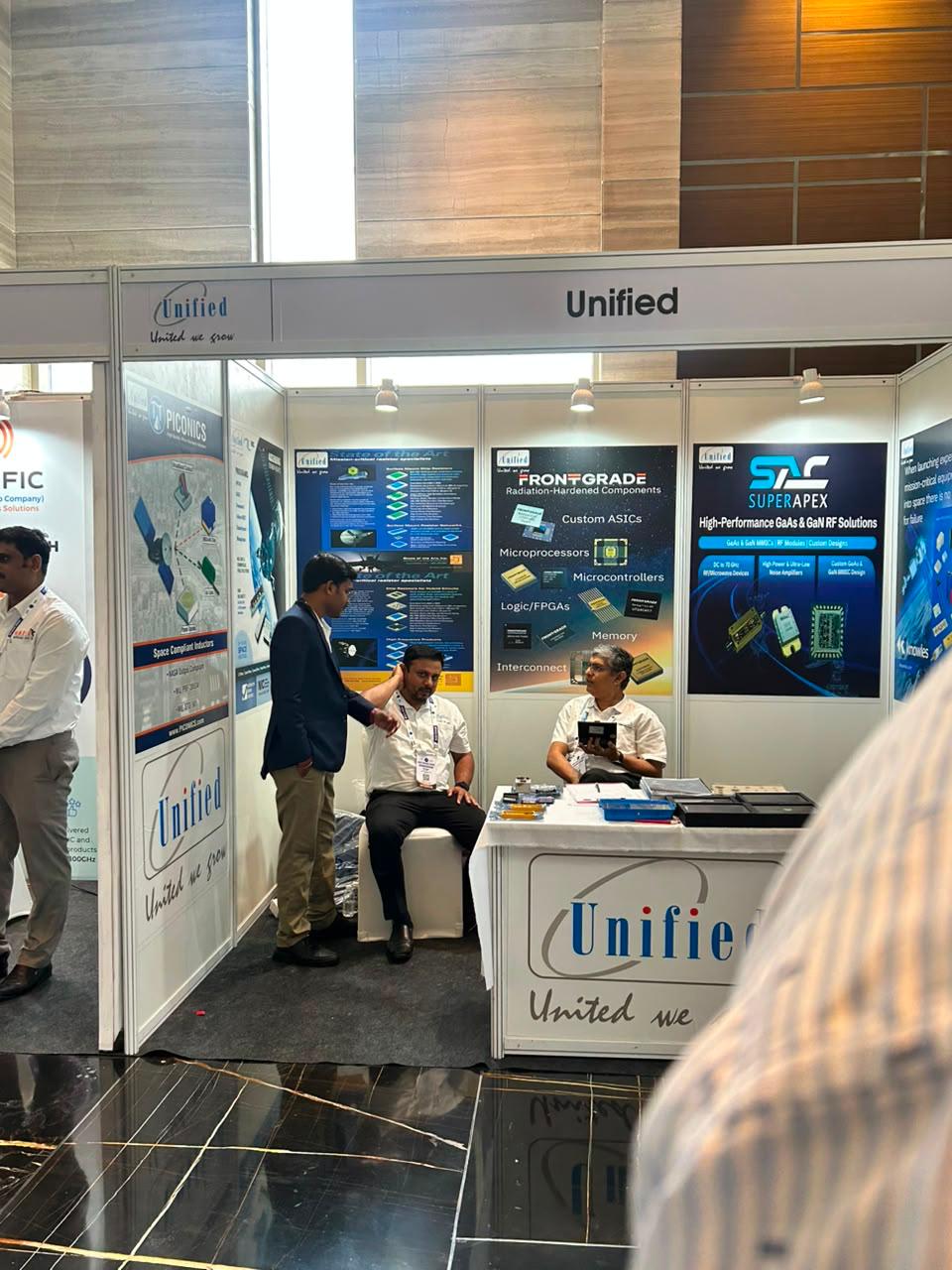
→ We met companies including Astra Microwave, Centum Electronics and Apollo Micro Systems- established listed players with long-standing ISRO and defence-program participation that are increasingly positioned to serve the expanding private-space ecosystem through electronics, RF, communications, propulsion and mission-critical subsystems.
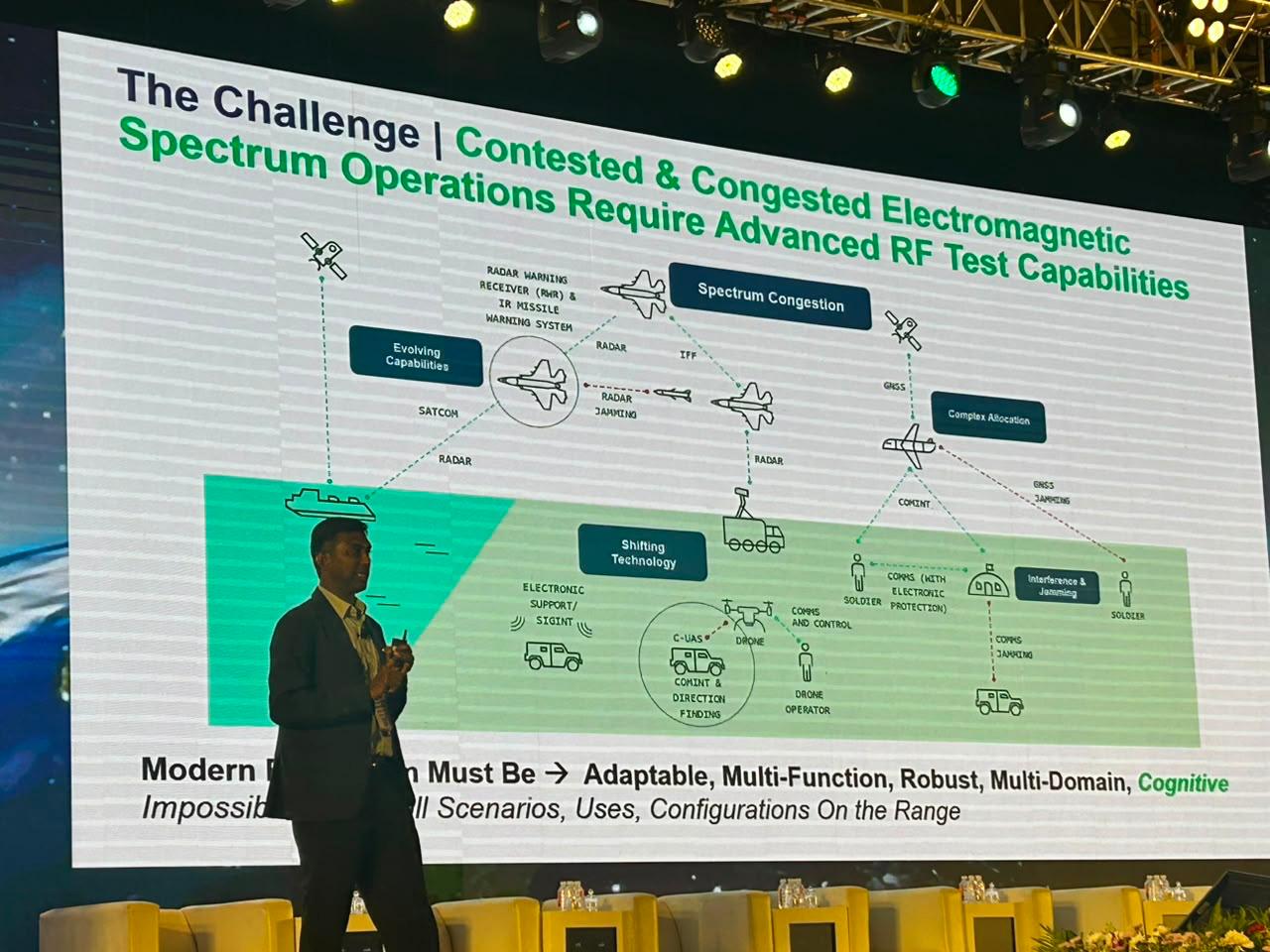
→ The exhibition highlighted active work across satellite payloads, simulation, radar, antenna measurement, RF testing and mission assurance.
Testing and validation infrastructure stood out as a particularly important enabling layer as satellite constellations scale.
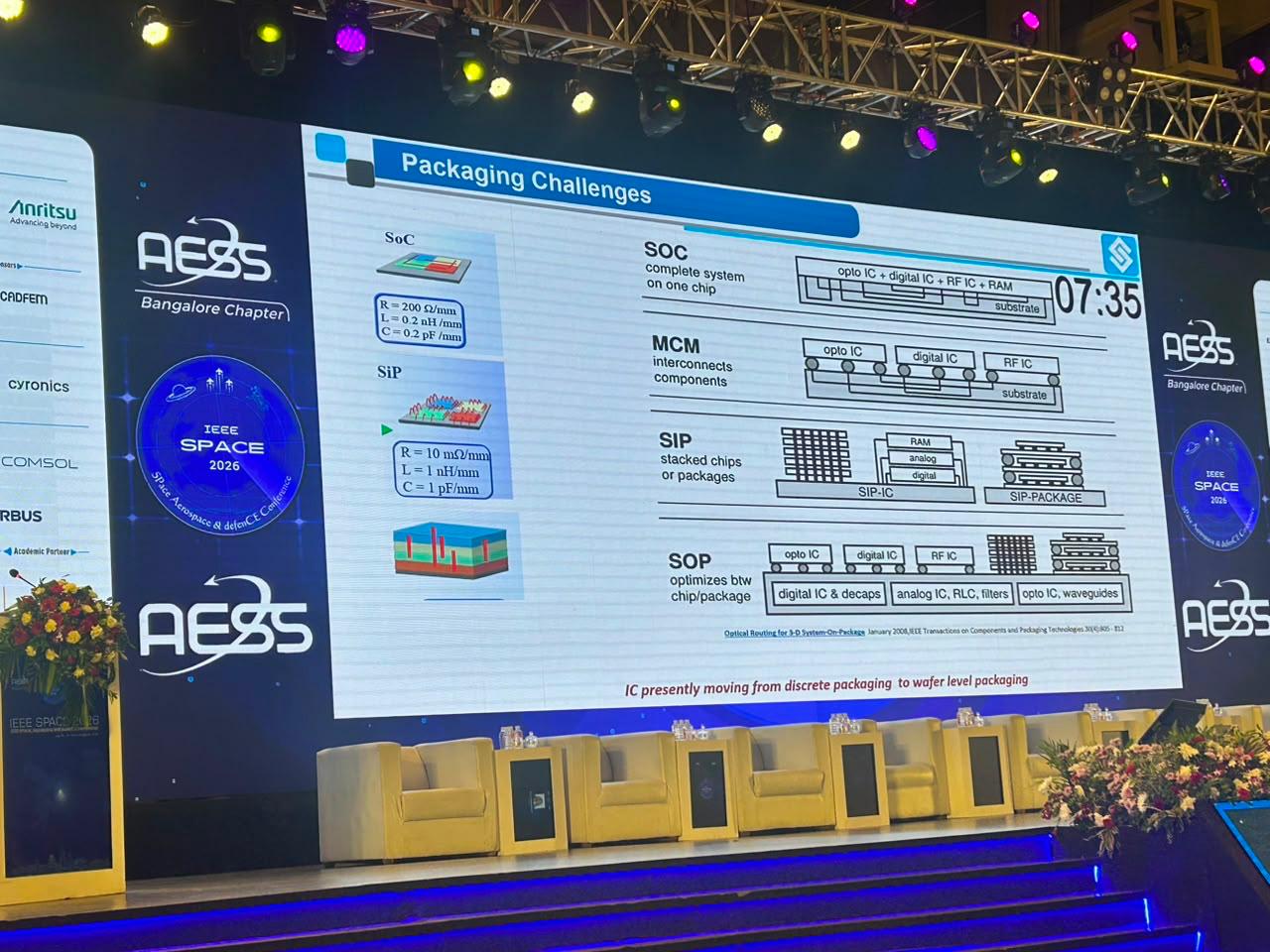
IEEE SPACE also featured technical work around orbital data centres, AI-native NTN, 6G integration, radiation-hardened electronics and distributed satellite architectures.
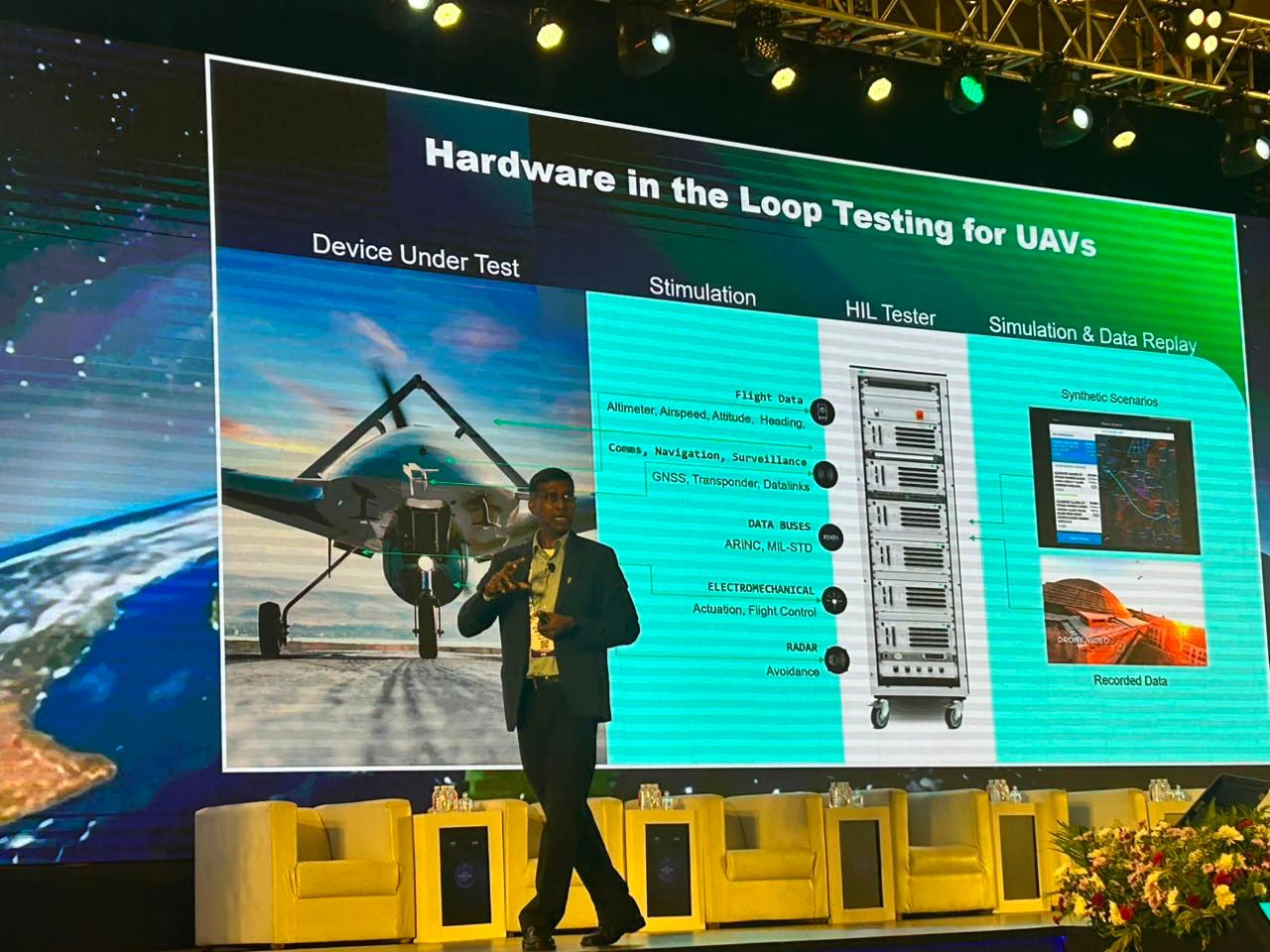
→ Industry conversations spanned planned constellations for PNT, Earth observation and communications, as well as the longer-horizon opportunity in in-space manufacturing, satellite life-extension and orbital computing/data infrastructure.
→ On the demand side, the ambition is becoming more tangible. Jio has outlined plans around sovereign satellite connectivity and ground infrastructure, with a focus on building domestic capability in LEO broadband and non-terrestrial networks.
→ India’s human-spaceflight journey was another powerful part of the event. Hearing Group Captain Shubhanshu Shukla speak about his journey from Lucknow to the International Space Station brought the broader ecosystem story into perspective—technical ambition, institutional capability and the next generation of space talent moving together.[2]
→ IEEE SPACE 2026 itself reflected this breadth: held in Bengaluru from 19–21 July, the conference brought together research, industry and government stakeholders across workshops, technical sessions and exhibitors in space, aerospace and defence.
For investors, the emerging opportunity is not a single “space stock” theme. It is a value chain:
Launch vehicles → satellite platforms → payloads → electronics/RF → testing & qualification → ground systems → data, connectivity and downstream applications.
Launch remains a structurally attractive long-term layer, but satellite manufacturing, subsystem suppliers, RF electronics, testing infrastructure and mission software may offer equally important ways to participate in India’s private-space buildout.
India’s space stack is becoming broader, more commercial and increasingly interconnected. The next phase will be defined by execution—turning technical capability into repeatable manufacturing, constellation deployment and monetisable space-based services.

 AIF Investor Charter


NIVESHAAY INVESTMENT ADVISORS
508, SNS Platina, Near Someshwara Enclave, Vesu, Surat, Gujarat-395007
(+91) 7859870559
research.smallcase@niveshaay.com (Equity Baskets)
NIVESHAAY INVESTMENT MANAGEMENT PRIVATE LIMITED
610, SNS Platina, Near Someshwara Enclave, Vesu, Surat, Gujarat-395007
(+91) 7836915478
contactaif@niveshaay.com (AIF)
SEBI Registration No. : INH000017338, IN/AIF3/24-25/1571, IN/AIF2/24-25/1607, INP000009506 | BASL Membership ID: 6276
Disclaimer:
Investment in Securities Market are subject to market risks. Read all related documents carefully before investing.
Registration granted by SEBI and certification from NISM in no way guarantee performance of the intermediary or provide any assurance of returns to investors.
The securities quoted are for illustration only and are not recommendatory
NIVESHAAY INVESTMENT ADVISORS © . All Rights Reserved., NIVESHAAY INVESTMENT MANAGEMENT PRIVATE LIMITED © . All Rights Reserved.Smart ODR